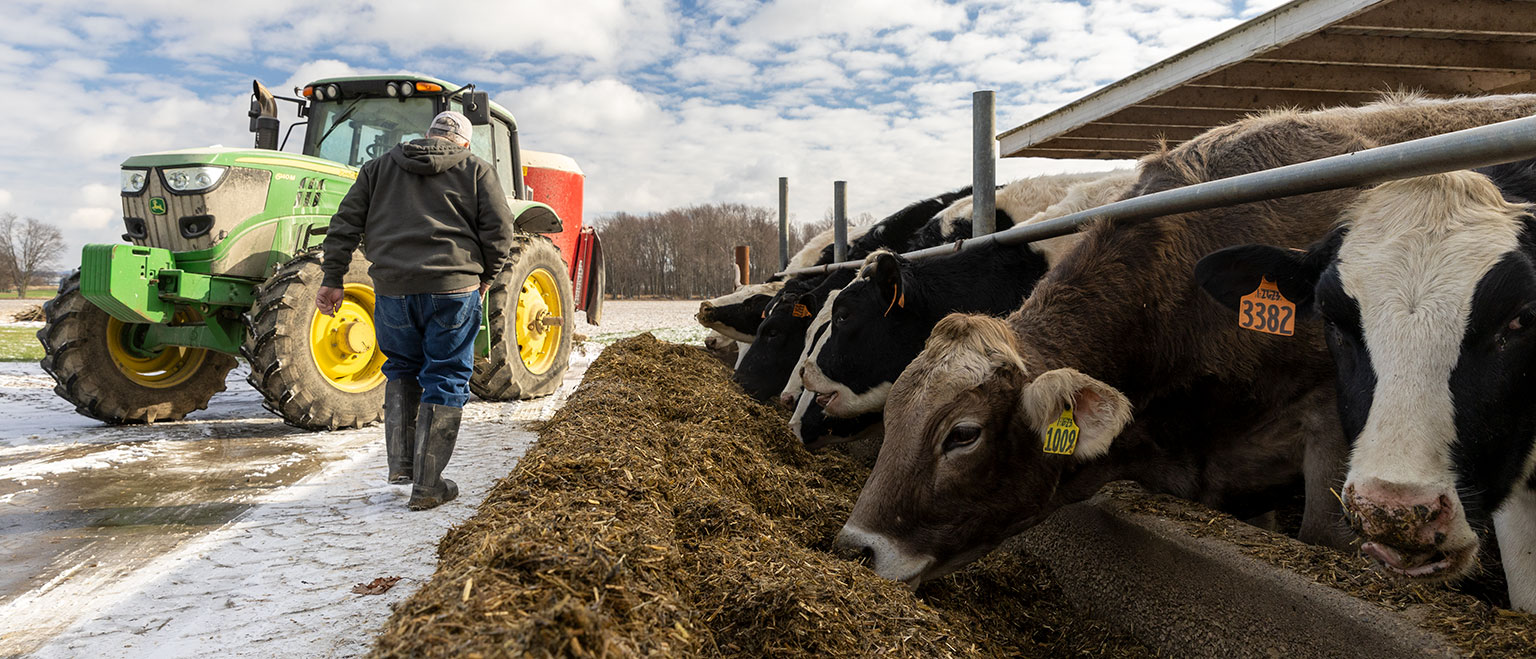
WHAT DO DAIRY COWS EAT? WHY THEIR DIET MATTERS FOR MILK QUALITY
While you’re enjoying a delicious bowl of yogurt and granola or a slice of extra-cheesy pizza, have you ever wondered, what do dairy cows eat?
Ensuring you’re getting a healthy, balanced diet can be an all-consuming chore — but not for cows. Their diets are meticulously planned by nutritionists and veterinarians, prepared, and served to them for optimal nutrition. It must be nice!
At Dairy Farmers of America (DFA), we’re a cooperative of thousands of farmer-owners committed to keeping cows healthy and producing great-tasting, nourishing milk for you to enjoy.
How dairy farmers feed a hungry herd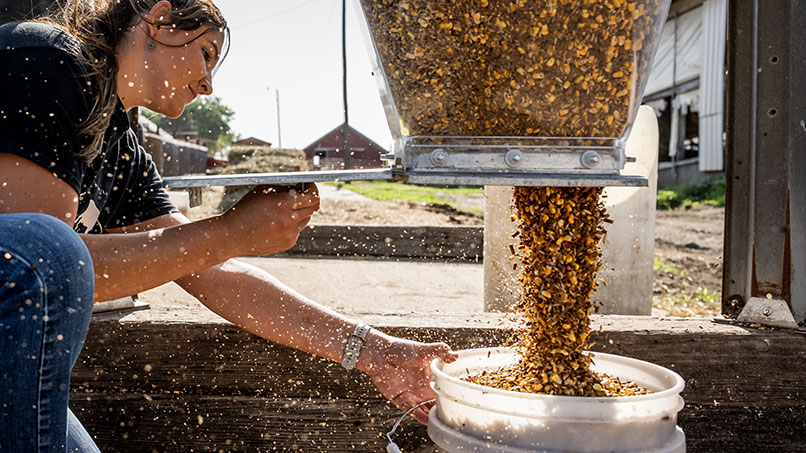
So, what do cows eat to stay healthy and produce milk? Dairy cows eat a lot — about 100 pounds of feed a day. On many dairy farms, farmers and nutritionists carefully plan and adjust their cows’ feed over time based on what’s available and what their cows need.
Many dairy farmers take farm-to-table to the next level by growing their own crops right on the farm. This keeps their farm self-sustaining and lowers their carbon footprint since the food doesn’t have to travel far.
Do dairy cows only eat grass? What else do they eat?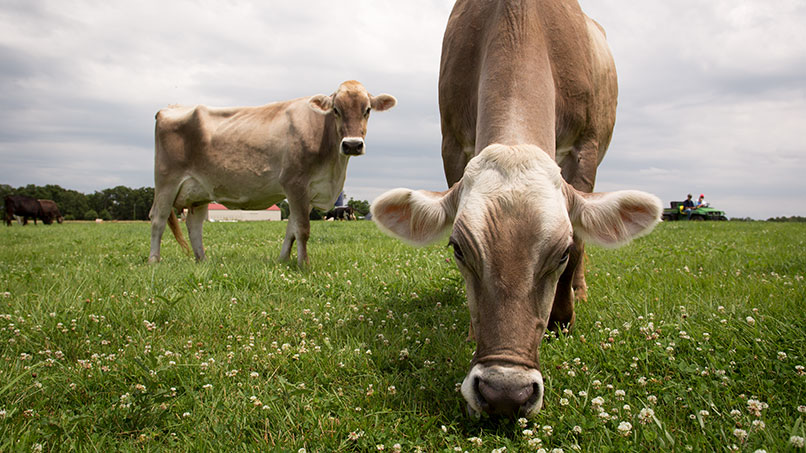
No, dairy cows don’t only eat grass. While grasses can form the foundation of their diet, most dairy cows also eat grains, minerals, and other ingredients that help provide balanced nutrition and support milk production.
There are several types of cow feed that support a healthy and balanced diet for these hardworking herds. Each crop plays a different role in keeping cows in tip-top shape.
Forage
Forage is the heart of a dairy cow’s diet, made up of grasses, hay, and silage. Silage for cows is fermented forage made from crops like corn, alfalfa, or other plants. It’s cut during the summer months when grass is at its peak quality. By drying and fermenting it, farmers store plenty of high-nutrient grass that can be mixed into feed for the herd to enjoy, even when there’s snow on the ground.
Grains
Grains like corn, barley, and soybean meal serve as energy sources. These protein-rich grains support milk production and overall cow health.
Supplements
Just like many of us, dairy cows require specific minerals and vitamins to feel their best. We might take a multivitamin, but cows get their vitamins mixed into their meals in the form of specially formulated mineral mixes, probiotics, and vitamin supplements.
Byproducts
A byproduct is something left over from making another food or product that can still be safely reused. While humans usually can’t eat these things, cows have a unique four-part stomach — called a ruminant stomach — that allows them to digest much more than we ever could.
Some dairy farms upcycle food byproducts into their cow feed. For farmers, using these ingredients helps make the most of available resources while helping reduce waste. These include:
- Almond hulls
- Candy and bakery waste
- Citrus pulp
- Brewer’s grains and distiller’s grains
- Produce that might be too broken (or ugly) to be sold in stores or restaurants
- And more
Not only does this provide important nutrients that cows can use in their diets, but it also has the added benefit of reducing food waste across the supply chain.
Dairy cow feeding systems and how they work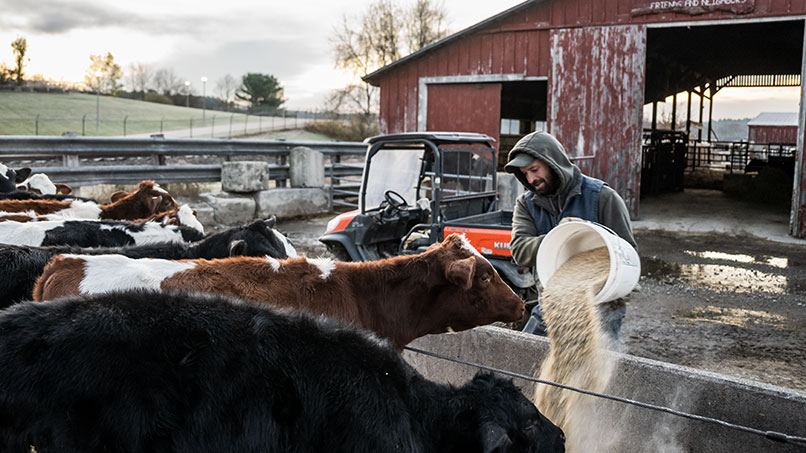
What cows eat can vary depending on the farm, the region, and the specific needs of the herd — but most dairy operations follow one of two primary systems, each designed to meet cows’ nutritional needs in a different way: total mixed ration or pasture-based.
Total mixed ration
Most dairy farms serve their cows a well-balanced blend of forages, grains, supplements, and food byproducts, called a total mixed ration (TMR).
Using TMR ensures each bite delivers a consistent balance of nutrients. Animal nutritionists work with farmers to adjust rations based on the herd’s specific needs. This helps farmers keep cows healthy, productive, and thriving year-round.
Feeding cows TMR also helps farmers keep tabs on their herd’s intake of specific nutrients and makes it easier to add in any supplements. It’s similar to how you might meal plan by including important nutrients, proteins, vegetables, and dairy for a balanced diet. Farmers take that same approach to ensure a healthy diet for their animals.
Pasture-based
Some dairy farms provide cows with access to the pasture when the weather and growing conditions allow — usually in the spring, summer, or early fall when the grass is growing and the ground isn’t too muddy.
During colder months or when pasture isn’t growing, farmers rely more on stored feeds like hay and silage harvested earlier in the year.
Grazing leans into a more traditional, forage-based diet and gives cows room to roam and snack as they please. It’s also a smart way to make use of land that’s well-suited for growing grass but not crops.
While it’s not the right fit for every farm, due to climate, land, or logistics, seasonal pasture access is just one of the many ways dairy farmers keep their herds well-fed and content.
One common priority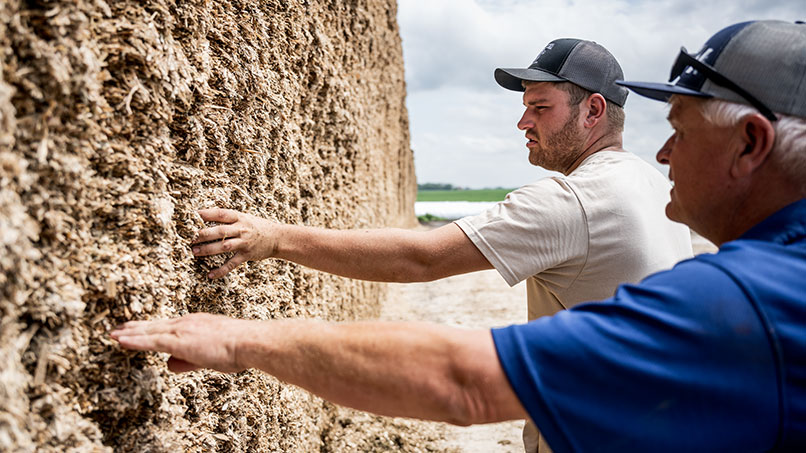
While every farm is a little bit different, each one has a common goal: healthy and well-fed cows.
Cow feed has strict oversight to ensure food safety. Farmers can send out samples of their feed to be tested for nutrients, making sure that each member of the herd is getting exactly what they need. Milk is also routinely tested for antibiotics and other contaminants, which is one reason why farmers pay close attention to what cows eat, and don’t eat every day.
And because they’re committed to doing it right, every single DFA farm participates in our Gold Standard Dairy Program, the first on-farm evaluation program of its kind, focused on strong farming practices in the areas of animal care and well-being, workforce development, land and environmental stewardship, and milk quality. This includes cow feed. Our farmer-owners take this responsibility seriously, providing high-quality feed and care to support herd health every day.
Cows get thirsty, too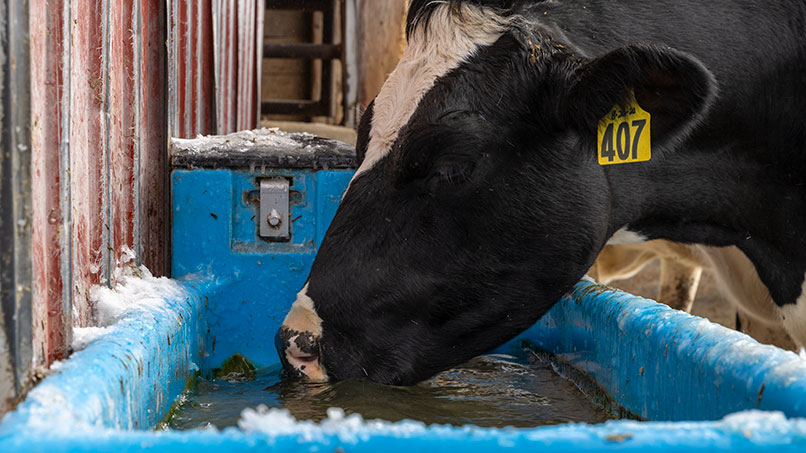
Enjoying all that delicious feed multiple times a day can work up a thirst.
Dairy cows can drink 30–50 gallons of water every day — more than a bathtub’s worth — depending on the weather, their diet, and how much milk they’re producing.
That’s why farmers make access to clean, fresh water a top priority. From automatic waterers that refill on demand to regularly scrubbed troughs, every detail is designed to keep cows hydrated and healthy.
How cow feed affects milk quality
A well-fed cow is the first, best step toward milk with the delicious taste you love.
High-quality feed has been scientifically linked to increased milk production and better nutritional content in milk, including higher levels of omega-3s and conjugated linoleic acid (CLA), two nutrients known for their health benefits.
Pair that with the essential nutrients that naturally occur in milk, and it’s easy to see why diet matters so much. By working with nutritionists and fine-tuning the perfect feed for their herds, dairy farmers make sure their cows eat well, so you can too.
Healthy cows for a healthy planet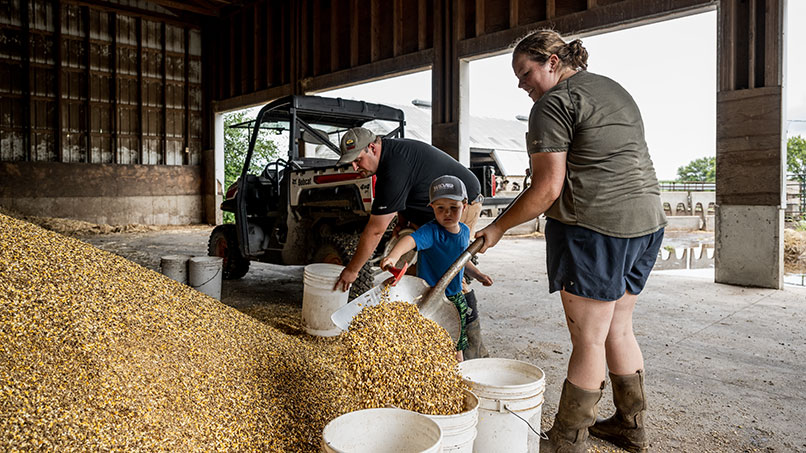
Feeding cows the right diet isn’t just good for their health; it can also be better for the planet.
When cows eat a well-balanced, carefully formulated diet, they digest food more efficiently. That means they produce (a.k.a. burp) less methane, a greenhouse gas that’s a natural part of a cow’s digestion.
In more good news for the planet, dairy farmers who choose to upcycle food scraps into cow feed keep trash out of landfills, reducing greenhouse gas emissions even more while providing delicious meals for those hardworking ladies.
If nourishing your body and your family with sustainably sourced, high-quality dairy is important to you, we have good news: DFA’s farmer-owned brands are made with milk from farms that follow strict cow care guidelines and work closely with nutritionists, veterinarians, and DFA field representatives to ensure their cows are living a healthy life, complete with nutritious meals.
Now, it’s time to feed yourself
Understanding what dairy cows eat and why should make you feel especially good about choosing milk and dairy products from DFA farmer-owned brands. Better nutrition for cows helps produce the high-quality dairy you enjoy.
Next time you’re enjoying a delicious dairy-filled meal, snack, or treat, you won’t have to wonder, what do dairy cows eat? You’ll know that they enjoy nutritious, hearty meals that keep them (and you) strong and healthy.